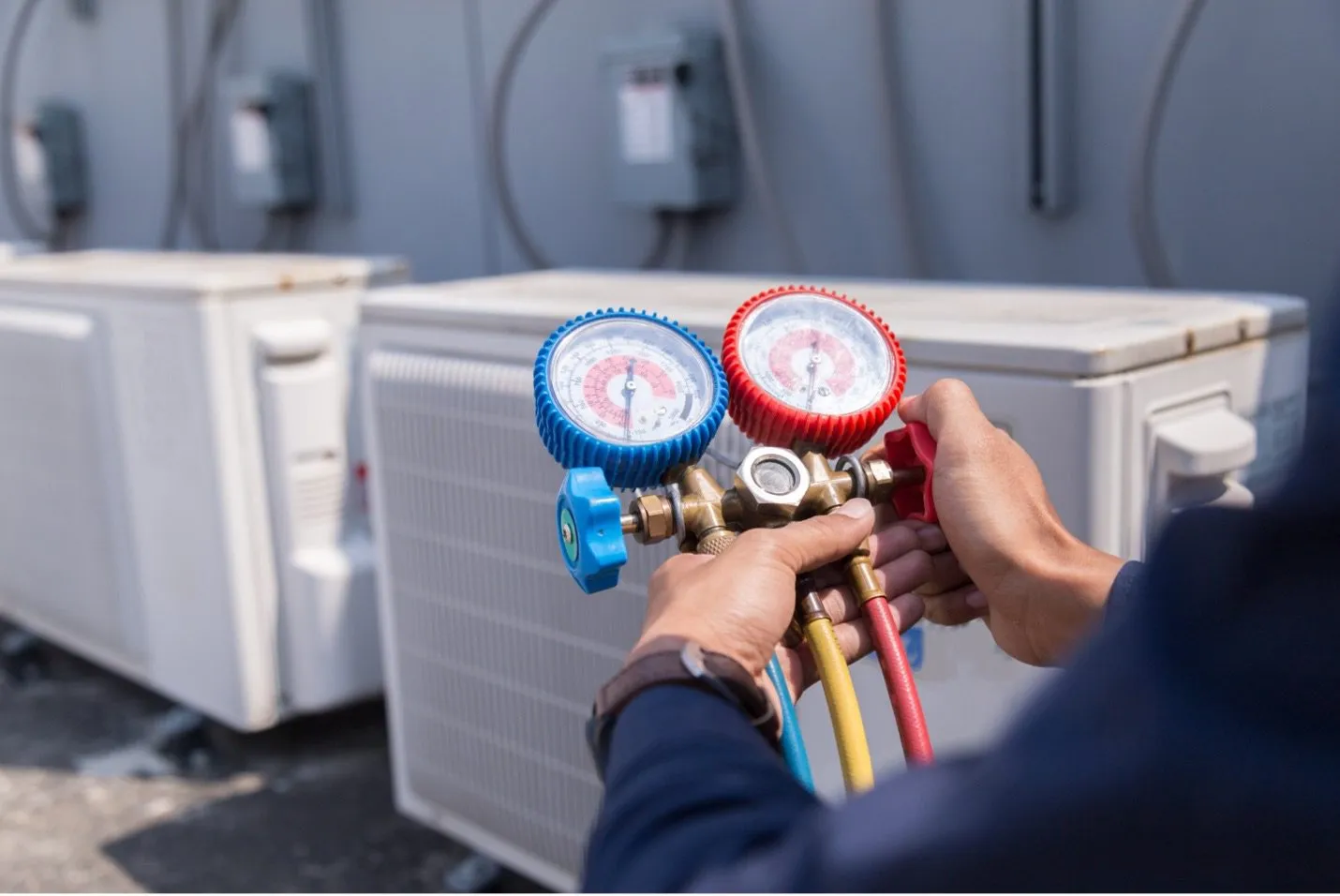

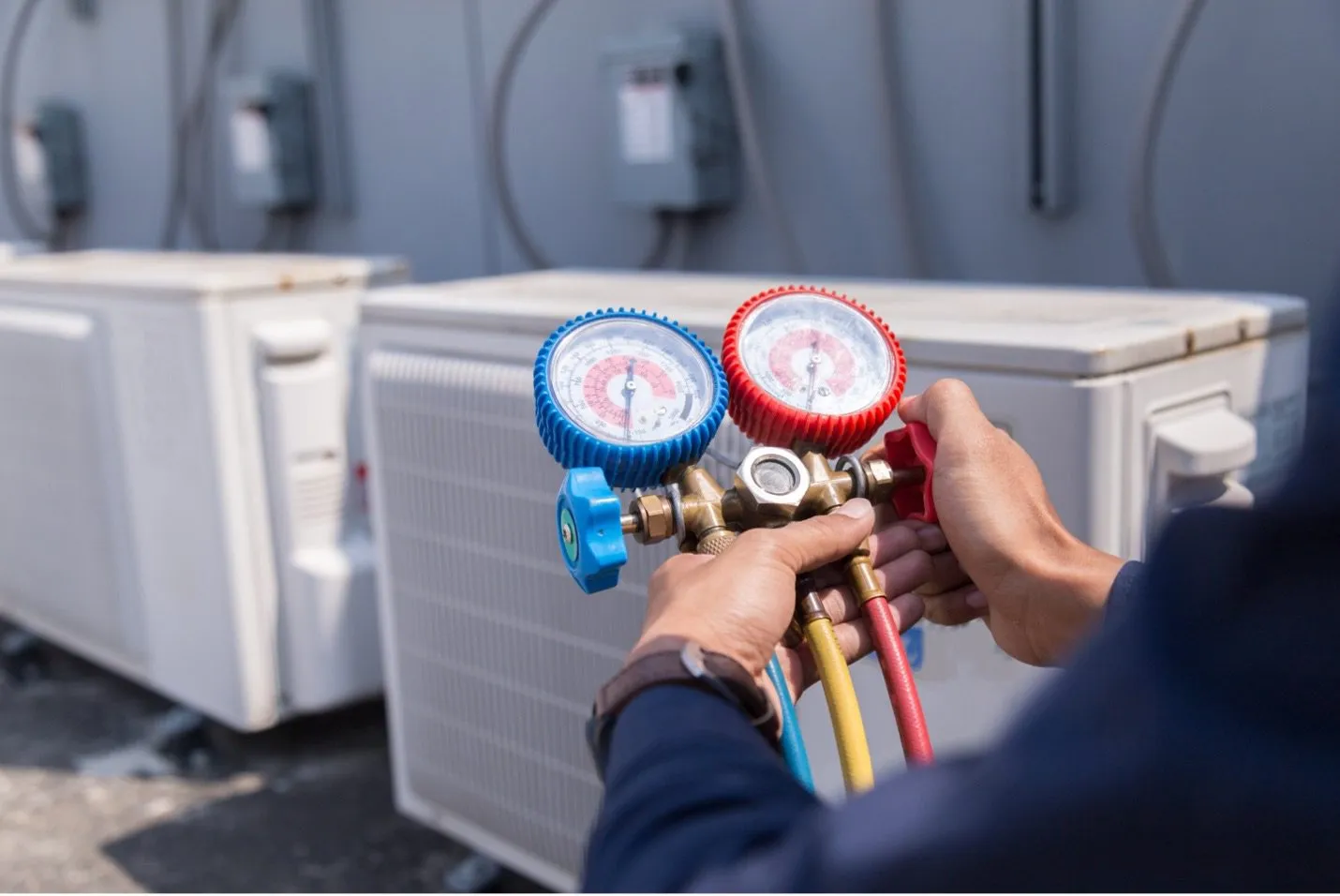
A hose or adapter needs to fit the instrument and the equipment connection, while meeting the approved service requirement. A matching-looking thread is not a complete specification. Record both ends and have the technician confirm suitability for the task before buying accessories.
Identify instruments and connections
Provide the tool model, equipment connection requirement and the specified hose or adapter reference where available. Record end types, sizes and required length separately. Check the manufacturer documentation for approved use and ratings; do not infer suitability for vacuum, recovery or another service task from physical fit alone.
Keep accessory scope visible
List required valves, seals, caps or other specified items as separate lines unless included. Compare complete assemblies rather than a hose without the necessary connectors. Ask the branch to confirm the exact supply reference and contents. The technician should establish tool setup and operating checks using the current manuals; a supply enquiry does not verify a service setup in the field.
A practical enquiry example
Describe each adapter by its two required interfaces and intended tool model. A photo of one end leaves the other unresolved, which can produce a physically similar accessory that does not complete the intended connection.
Enquiry checklist
- Tool model and actual service task
- Both connection types and sizes
- Approved ratings and length
- Required seals and other accessories
Does physical fit prove a hose is suitable?
No. Its documented application and ratings must suit the intended service as well.
Discuss your requirement with Refco
Prepare the approved references and quantities, then contact the branch to confirm availability and collection details before visiting.