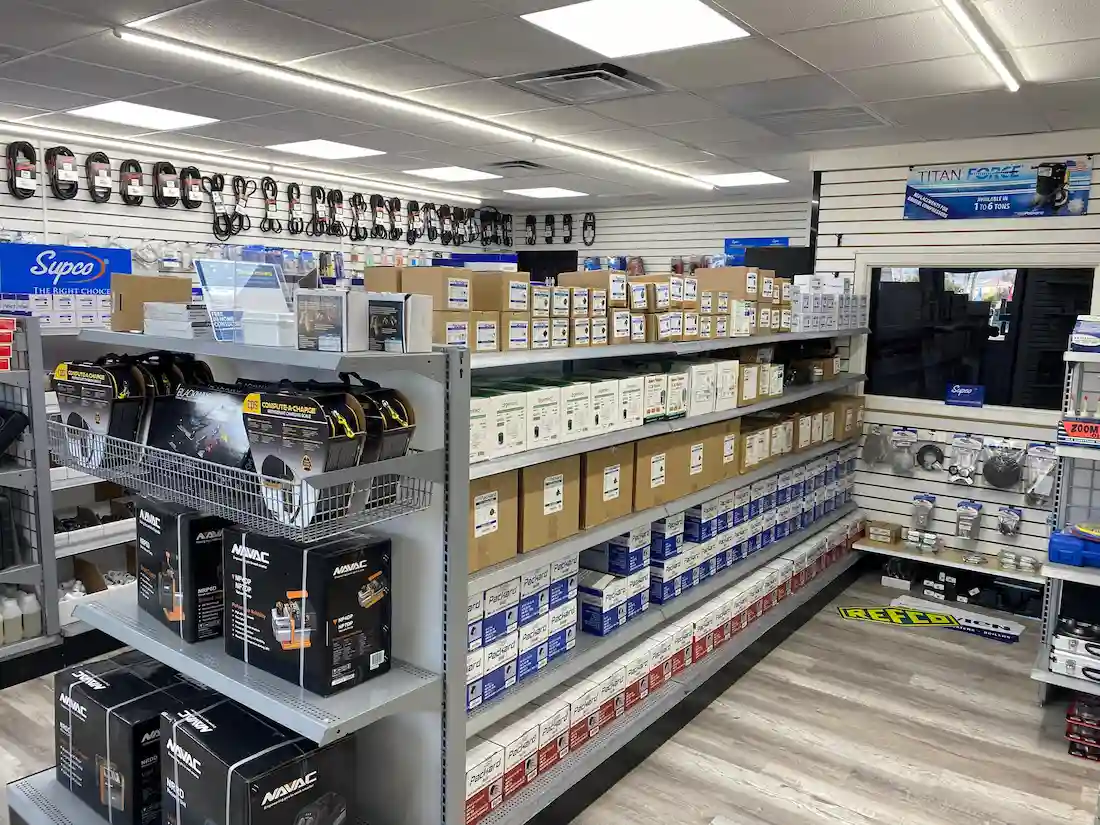
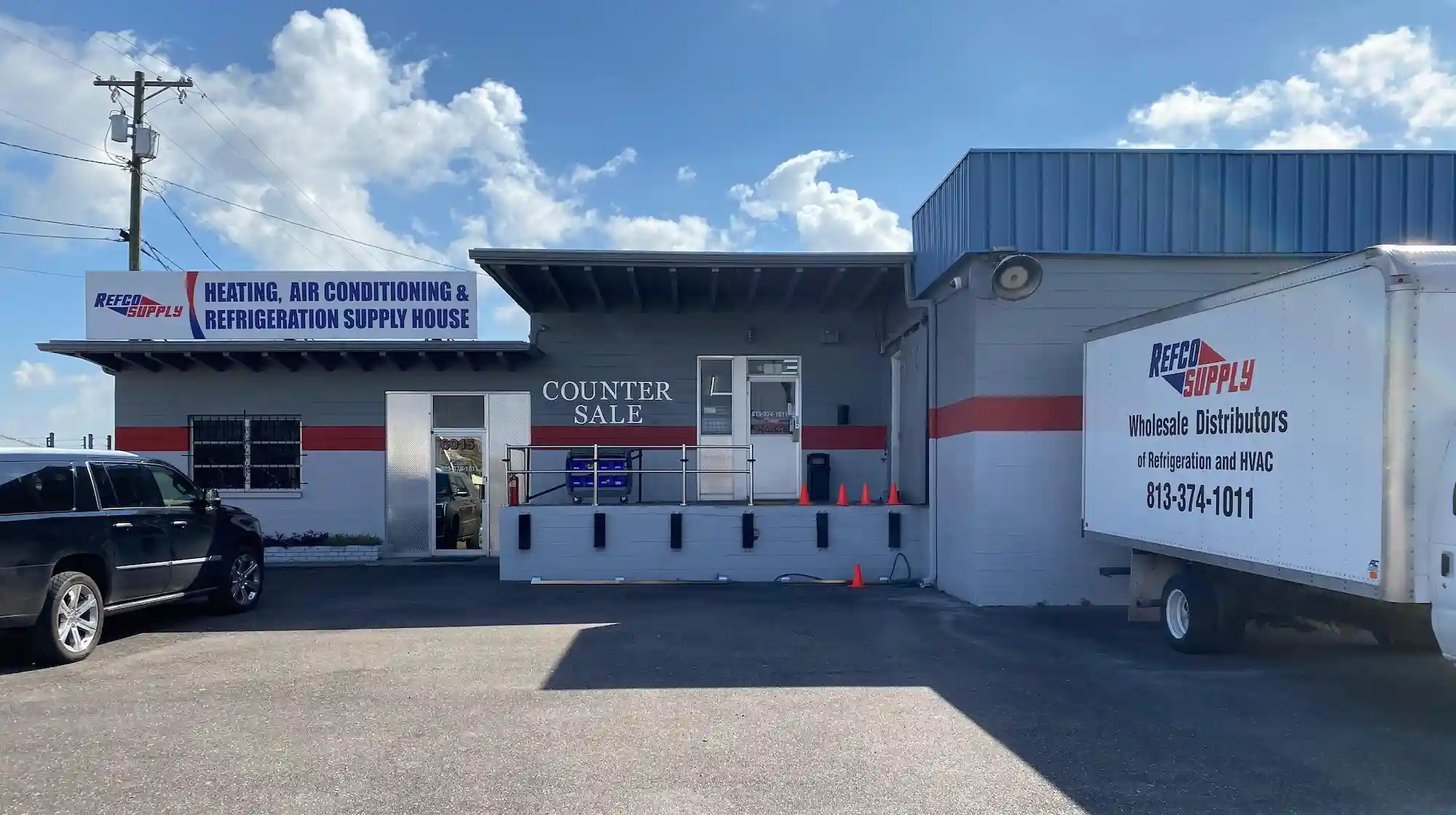


A useful maintenance spares list follows the installed equipment, not a generic collection of popular parts. Start with an equipment register and the maintenance team's approved requirements. This keeps purchasing connected to the units actually in service and avoids filling a store with unsuitable alternatives.
Build the list from evidence
Group equipment by full model and revision, then record the approved consumables and replacement references for each group. Review previous replacements to see which items recur, but do not turn a past failure into a diagnosis for another unit. Separate routine consumables from specialized components whose suitability or storage requirements need additional review.
Review quantities with the maintenance team
Agree quantities using the equipment population, actual consumption and purchasing arrangements rather than an arbitrary 'emergency pack'. Record the shelf or site allocation and periodically check whether equipment changes have made a reference obsolete. Discuss the resulting list with your nearest Refco branch; availability and any replenishment arrangements must be confirmed for the specific requirement.
A practical enquiry example
When a building replaces several units, revise the spare-parts list at the same time. Parts kept for the retired models should not remain on the active replenishment list simply because they were frequently ordered previously.
Enquiry checklist
- Current equipment register
- Approved model-specific references
- Actual consumption and quantities
- Review after equipment changes
Should every building keep the same spare-parts kit?
No. Installed models, maintenance requirements and consumption differ. Use the equipment register and the responsible team's assessment to plan the list.
Discuss your requirement with Refco
Prepare the approved references and quantities, then contact the branch to confirm availability and collection details before visiting.