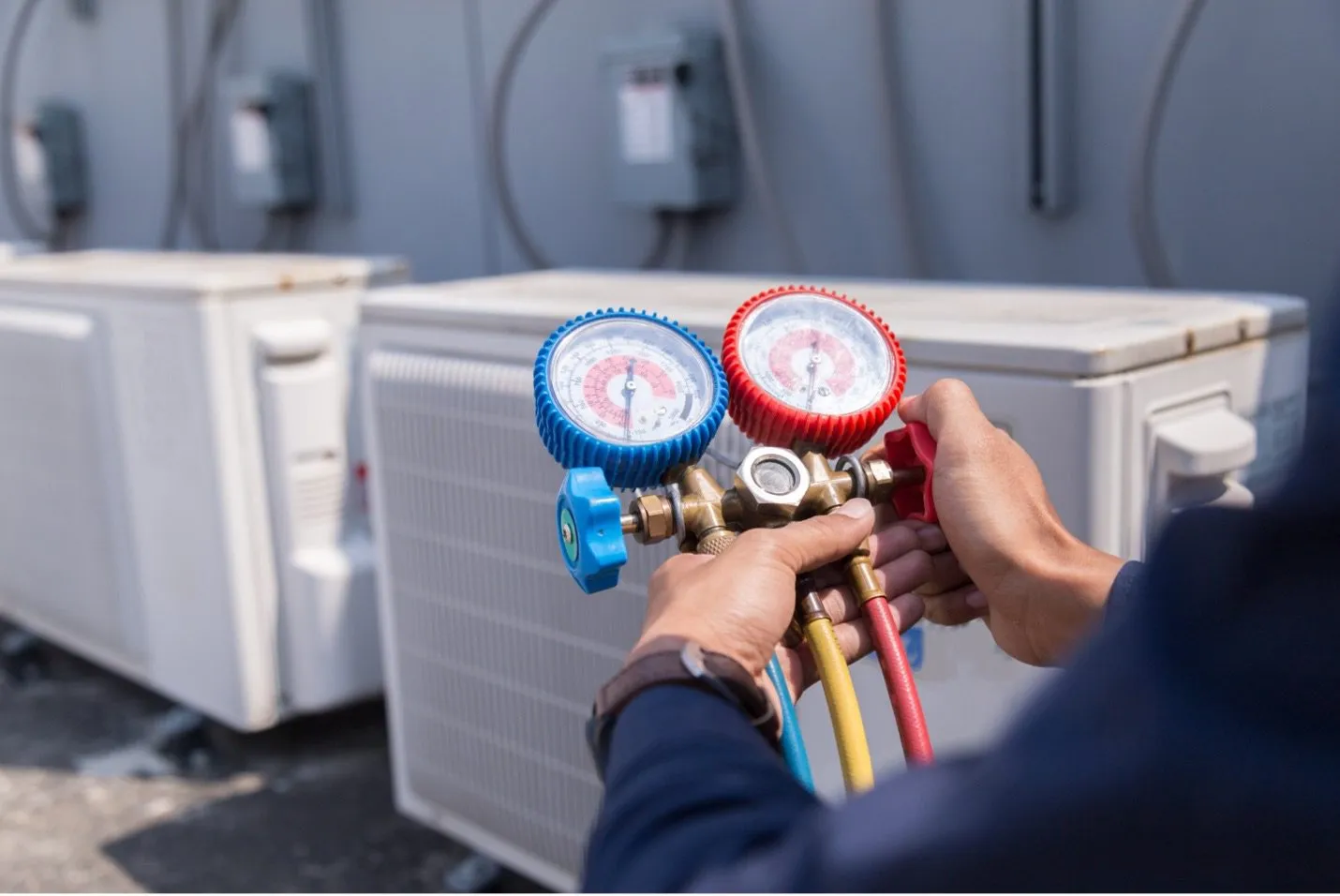

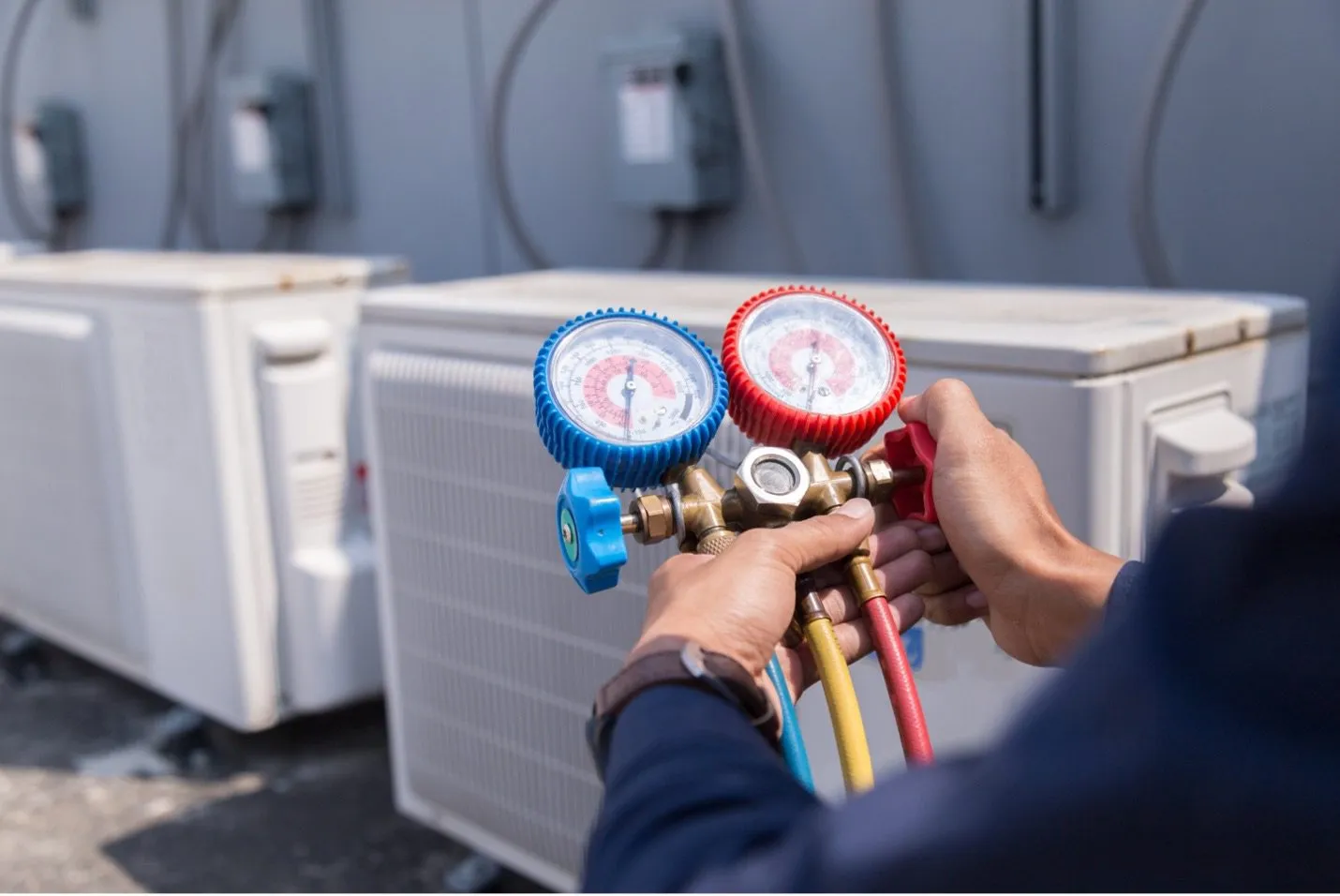
Tube-working tools should match the tube and the connection required by the job. A tool described simply as 'for copper' can leave its supported size range and intended operation unclear. Ask the technician to identify the task and tube specification before preparing the tool order.
State the task and size range
Distinguish cutting, deburring, flaring and swaging requirements rather than treating them as one tool category. List the actual tube sizes the team needs to work with and the approved material. Check the tool manual for supported sizes and application. A package with many adapters is not automatically suitable for every specified connection.
Check the usable package contents
Ask which bars, heads, adapters or replacement items are included. Note any clearance constraints the technician identifies and compare the complete package against the intended tasks. Confirm references with the branch before purchasing. Connection workmanship and acceptance remain with the qualified technician following the equipment and tool instructions; this guide does not teach field tube preparation.
A practical enquiry example
If a kit claims several supported tube sizes, compare those sizes individually with the job list. A kit covering most of the required diameters may still leave one specified connection without a suitable tool.
Enquiry checklist
- Cutting, flaring or other defined task
- Actual tube sizes and material
- Manual-supported application
- Included heads and adapters
Does one tube-tool kit cover every connection?
Do not assume it. Check the supported operations, sizes and package contents against the actual job requirements.
Related technical reading
External technical resources. A link does not establish Refco stock or brand availability.
Discuss your requirement with Refco
Prepare the approved references and quantities, then contact the branch to confirm availability and collection details before visiting.