

Two supply totals can describe different purchases. Before choosing between them, align the equipment references, quantities and included accessories. A fair comparison makes missing items visible and identifies alternatives that require technical approval; it does not automatically favor the lowest headline number.
Build a line-by-line comparison
Copy each response against the same numbered requirement. Mark an item as exact, proposed alternative, excluded or unanswered. Check whether quantities are individual pieces, packs or lengths. For equipment, compare the approved model and supplied accessories together. An included control or mounting accessory can change the scope even when the main equipment name looks the same.
Confirm the terms that affect the order
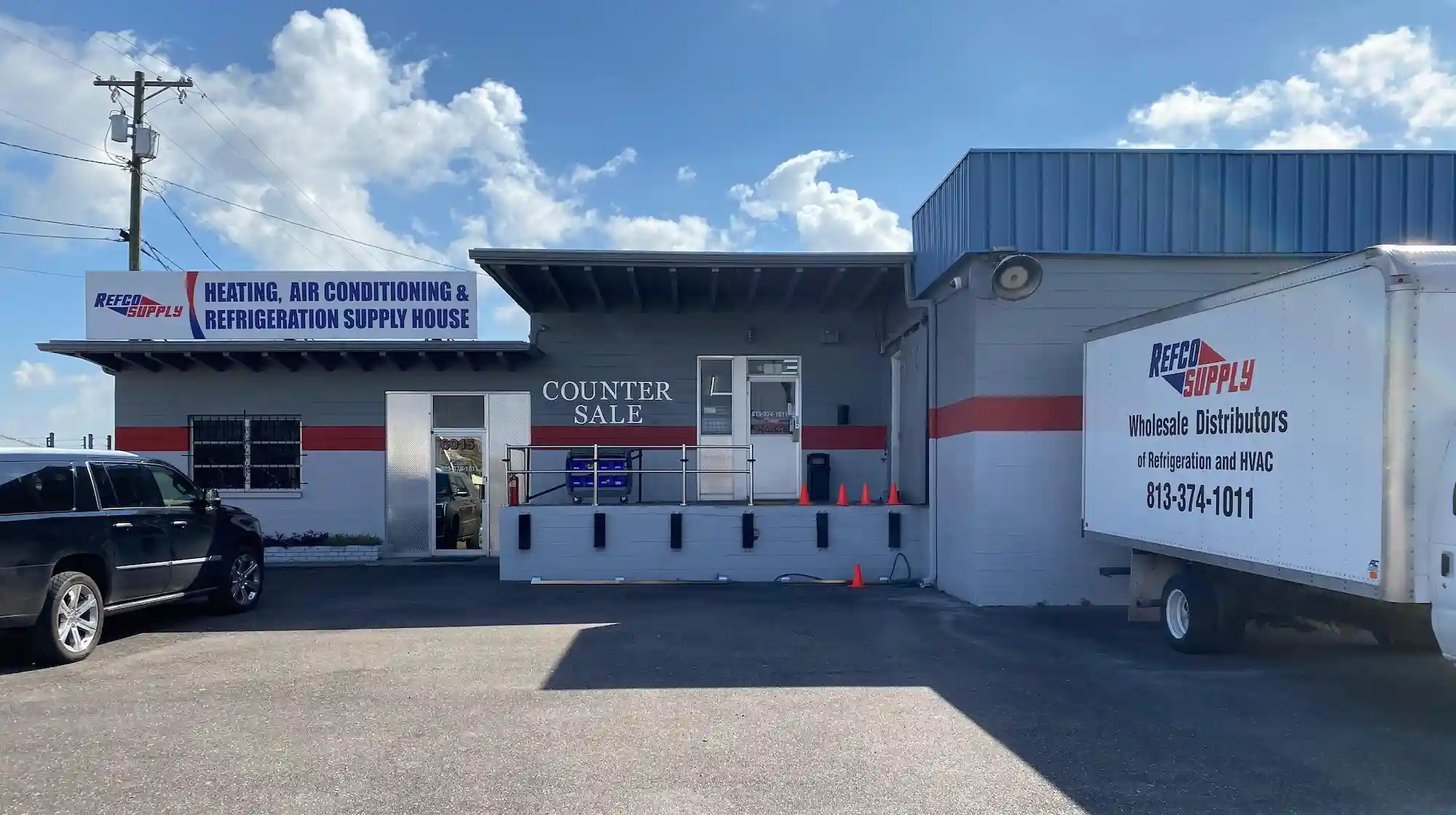
Ask for the applicable price validity, availability, collection arrangements and return or warranty terms rather than assuming them. Keep unanswered details visible until confirmed. Do not turn a supply enquiry into an installation promise: site work, commissioning and design responsibilities need their own agreed scope. Contact a Refco branch with the aligned list to discuss your requirements.
A practical enquiry example
Compare a supplied control with the same control plus a required sensor as two different scopes. Show the sensor as a separate line before deciding whether the apparent difference in total price is meaningful.
Enquiry checklist
- Same specification and list revision
- Exact versus alternative references
- Included accessories and order units
- Confirmed availability and applicable terms
Why can a cheaper supply total cost more later?
It may exclude required items or rely on an unapproved substitute. Check the scope before interpreting the price difference.
Discuss your requirement with Refco
Prepare the approved references and quantities, then contact the branch to confirm availability and collection details before visiting.